Denim washing is one of the most important stages in denim manufacturing. While fabric selection defines the foundation of a denim product, washing techniques create its final appearance, texture, comfort, and character.
Modern denim washing techniques allow manufacturers to create a wide range of effects, from vintage-inspired looks to premium contemporary finishes. Processes such as stone wash, enzyme wash, ozone wash, and laser finishing help brands develop unique denim collections while improving product performance and sustainability.
For global fashion brands, choosing an experienced denim manufacturer with advanced washing capabilities is essential to achieving consistent quality and desired aesthetics.
What Is Denim Washing?
Denim washing is a finishing process applied after garment production to modify the appearance, texture, softness, and performance of denim products.
Unlike many other garments, denim is designed to evolve through washing. The washing process determines important characteristics such as:
- Color intensity
- Softness
- Vintage appearance
- Fading effects
- Surface texture
- Comfort level
A professional denim washing process requires technical expertise because factors such as fabric composition, dye type, washing time, chemicals, and mechanical actions directly influence the final result.
Why Are Denim Washing Techniques Important?
The washing stage plays a major role in defining the identity of a denim collection.
Different denim wash types allow brands to create different product positions:
- Premium denim collections
- Vintage-inspired jeans
- Casual everyday products
- Fashion-forward seasonal collections
- Sustainable denim lines
The same denim fabric can create completely different results depending on the selected washing technique.
For this reason, denim washing is not only a production step; it is also an important part of product design and brand identity.
1. Stone Wash Denim
What Is Stone Washing?
Stone washing is one of the most recognized denim washing techniques and has been widely used in denim production for decades.
During the stone wash process, denim garments are washed with abrasive materials, traditionally pumice stones, to create a softer feel and naturally faded appearance.
The mechanical action between the stones and denim surface removes some of the indigo dye, creating lighter areas and a worn-in effect.
Characteristics of Stone Wash Denim
Stone wash denim is known for:
- Soft hand feel
- Vintage appearance
- Natural fading effects
- Casual aesthetic
- Increased comfort
Stone washing is especially popular for jeans collections that aim to achieve a classic and authentic denim look.
Advantages of Stone Washing
Stone wash offers several benefits:
- Creates unique visual effects
- Improves fabric softness
- Gives denim a worn-in character
- Enhances the casual appeal of jeans
However, traditional stone washing requires careful management because excessive abrasion can affect fabric strength and increase environmental impact.
Modern denim manufacturers increasingly combine stone washing with improved technologies to achieve better consistency and sustainability.
2. Enzyme Wash Denim
What Is Enzyme Washing?
Enzyme washing is a chemical-based denim finishing technique that uses biological enzymes to modify the fabric surface.
Unlike stone washing, which relies heavily on mechanical abrasion, enzyme washing uses controlled biological processes to create softness and fading effects.
Benefits of Enzyme Wash Denim
Enzyme wash denim provides:
- Softer fabric texture
- Controlled color fading
- Reduced fabric damage
- Improved comfort
- More consistent results
Because enzyme washing can reduce the need for heavy mechanical abrasion, it is often considered a more controlled alternative to traditional washing methods.
Enzyme Wash vs Stone Wash
The main difference between enzyme wash and stone wash is the method used to achieve the final effect.
| Stone Wash | Enzyme Wash |
| Uses mechanical abrasion | Uses biological enzymes |
| Creates strong vintage effects | Creates softer fading effects |
| Traditionally uses stones | Uses controlled chemical processes |
| Higher abrasion impact | Better fabric protection |
Both techniques remain widely used depending on the desired product appearance and performance requirements.
3. Ozone Wash Denim
What Is Ozone Washing?
Ozone washing is one of the newer sustainable denim washing techniques developed to reduce water and chemical consumption.
This process uses ozone gas to create fading effects and modify denim color without relying on traditional washing methods that require large amounts of water.
Advantages of Ozone Wash
Ozone technology provides several benefits:
- Reduced water consumption
- Lower chemical usage
- More sustainable production
- Faster processing
- Controlled fading effects
As sustainability becomes increasingly important in fashion manufacturing, ozone washing has gained attention among global denim brands.
Ozone Wash and Sustainable Denim Production
Sustainable denim production focuses on reducing environmental impact while maintaining product quality.
Technologies such as ozone washing support manufacturers in achieving:
- Lower resource consumption
- Improved environmental performance
- More responsible production processes
For brands looking for sustainable denim manufacturing solutions, advanced washing technologies have become an important evaluation factor.
4. Laser Finishing in Denim
What Is Laser Technology in Denim?
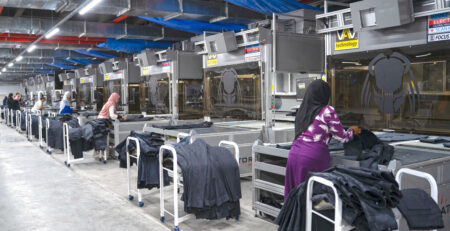
Laser finishing is an advanced technique used to create detailed visual effects on denim garments.
Instead of traditional manual methods, laser technology uses controlled laser beams to modify the fabric surface.
This allows manufacturers to create:
- Fading patterns
- Vintage effects
- Whisker effects
- Custom designs
- Precise surface details
Benefits of Laser Finishing
Laser technology provides important advantages:
Precision
Laser systems allow manufacturers to create highly accurate designs and repeatable results.
Sustainability
Compared with some traditional finishing methods, laser technology can reduce water consumption and chemical usage.
Design Flexibility
Brands can create unique denim appearances without relying only on conventional washing techniques.
Denim Washing Techniques Comparison
| Technique | Main Purpose | Key Benefit |
| Stone Wash | Vintage fading and softness | Authentic worn-in appearance |
| Enzyme Wash | Softness and controlled fading | Better fabric protection |
| Ozone Wash | Sustainable fading process | Reduced water usage |
| Laser Finishing | Detailed surface effects | Precision and creativity |
How Denim Manufacturers Choose the Right Washing Technique
Selecting the right washing technique depends on several factors:
Fabric Composition
Different denim fabrics react differently to washing processes. Cotton percentage, elasticity, weight, and dye characteristics affect the final result.
Product Design
A premium fashion collection may require detailed laser effects, while a classic denim line may focus on traditional stone washing.
Brand Positioning
Brands must select washing techniques that match their target audience and product identity.
Sustainability Goals
Many global brands now prioritize washing processes that reduce water consumption and environmental impact.
The Denim Washing Process: From Fabric to Final Product
A typical denim washing process includes several stages:
1. Garment Preparation
Denim garments are inspected before washing to ensure production quality.
2. Washing Application
The selected washing technique is applied according to the desired appearance.
3. Finishing
Additional treatments may be applied to improve softness, appearance, or performance.
4. Quality Control
Final products are checked for:
- Color consistency
- Measurements
- Fabric performance
- Visual appearance
A strong quality control system ensures consistency across large production volumes.
Technology and Sustainability in Denim Washing
The denim industry continues to evolve through technology-driven solutions.
Modern denim manufacturers invest in:
- Digital production monitoring
- Automated chemical dosing systems
- Water treatment systems
- Energy-efficient processes
- Advanced washing technologies
These developments allow brands to achieve high-quality denim products while improving environmental responsibility.
Choosing a Denim Manufacturer With Advanced Washing Capabilities
When selecting a denim manufacturer, brands should evaluate more than production capacity.
Important questions include:
- Does the manufacturer have in-house washing capabilities?
- Can they support different denim wash types?
- Do they offer sustainable washing solutions?
- Can they maintain consistent results across large orders?
- Do they have experience working with international brands?
An experienced denim manufacturing partner can help brands transform creative concepts into production-ready collections.
EG (Eroğlu Garment): Denim Manufacturing and Washing Expertise
EG (Eroğlu Garment) provides integrated denim manufacturing solutions for global brands, combining textile expertise with modern production technologies.
From product development and sampling to sewing, washing, finishing, and quality control, EG (Eroğlu Garment) supports brands throughout the complete denim production journey.
With expertise in denim manufacturing, advanced production processes, and sustainability-focused approaches, Eroğlu Garment helps brands develop denim collections that meet international quality expectations.
For brands searching for a reliable denim manufacturing partner, advanced washing capabilities and technical expertise are essential factors in building successful denim products.