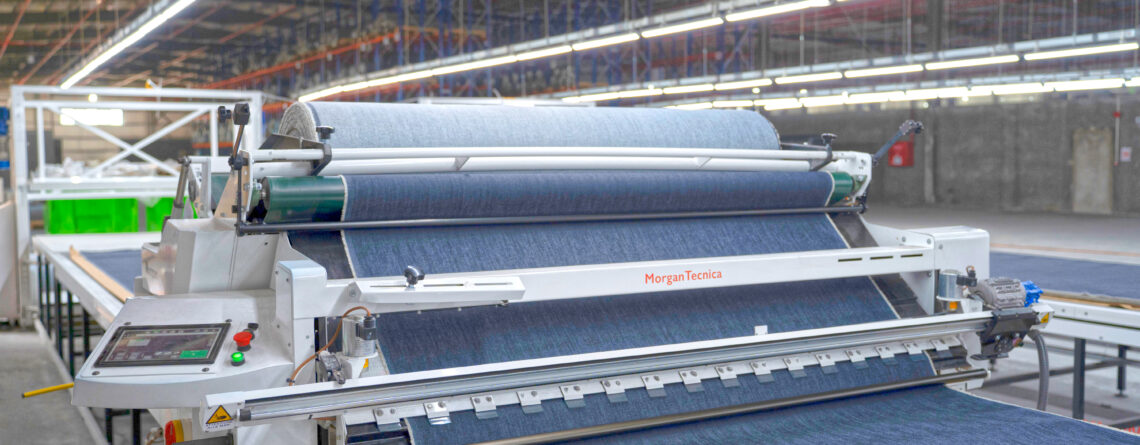
Indigo dye is one of the most important elements in denim production. The characteristic blue color of jeans comes from a specialized indigo dyeing process that has been refined over centuries and continues to evolve with modern textile technology.
Unlike many fabrics that are dyed after weaving, denim production uses a unique dyeing method where yarns are dyed before the fabric is created. This process gives denim its iconic appearance, allowing jeans to develop unique fading patterns and a distinctive character over time.
For denim manufacturers, controlling the indigo dyeing process is essential to achieving consistent color, quality, durability, and the desired aesthetic for global fashion brands.
What Is Indigo Dye?
Indigo dye is a natural or synthetic dye used primarily to create the traditional blue color associated with denim.
The unique characteristic of indigo dye is that it does not completely penetrate the cotton fiber. Instead, it forms a layer around the surface of the yarn. This creates the typical denim aging effect, where the fabric gradually develops lighter shades through wear and washing.
This behavior is what makes indigo denim different from many other dyed fabrics. Over time, jeans develop personalized fading patterns based on movement, washing habits, and usage.
Why Is Indigo Dye Important in Denim Manufacturing?
The relationship between indigo dye and denim is one of the defining elements of jeans production.
The indigo dyeing process influences:
- Final denim color
- Fabric appearance
- Fading characteristics
- Product identity
- Brand aesthetic
- Customer experience
For fashion brands, denim color is not only a technical requirement but also a key part of collection design. A deep raw indigo denim and a heavily washed vintage denim can represent completely different product concepts.
Therefore, choosing the right dyeing method is a critical step in denim manufacturing.
How Does the Indigo Dyeing Process Work?
The indigo dyeing process involves several carefully controlled stages. Unlike standard fabric dyeing, denim is usually dyed at the yarn stage before weaving.
1. Yarn Preparation
Before dyeing begins, cotton yarns are prepared to ensure they can absorb and hold the indigo color effectively.
The yarn quality, tension, and preparation directly affect:
- Color consistency
- Dye absorption
- Fabric performance
- Final appearance
High-quality denim manufacturers carefully control this stage because variations in yarn preparation can create differences in the final product.
2. Indigo Dye Application
During the indigo dyeing process, yarns pass through multiple dye baths containing indigo solution.
Because indigo does not deeply penetrate cotton fibers, repeated dipping and oxidation cycles are used to build the desired shade.
The process typically includes:
- Immersing yarns into indigo dye baths
- Exposing yarns to oxygen
- Allowing the color to develop
- Repeating the process until the desired shade is achieved
The number of dye cycles affects the depth and intensity of the final denim color.
3. Oxidation Process
Oxidation is a crucial stage in indigo dyeing.
When yarn leaves the dye bath, it reacts with oxygen in the air, causing the indigo color to develop. This repeated oxidation process creates the layered color effect that gives denim its unique appearance.
The balance between dye concentration, number of dips, and oxidation time determines the final shade of the denim fabric.
4. Weaving Indigo-Dyed Yarn Into Denim Fabric
After the yarn dyeing process is completed, the dyed yarns are woven together with undyed or lighter-colored yarns to create denim fabric.
Traditional denim construction usually uses:
- Indigo-dyed warp yarns
- Natural or white weft yarns
This structure creates the classic denim appearance, where the outer surface appears blue while the inside remains lighter.
Different Types of Indigo Denim
The indigo dyeing process can create different denim appearances depending on production techniques.
Raw Indigo Denim
Raw denim is produced with minimal washing after dyeing. It has a deep, dark indigo color and develops natural fading patterns through use.
Washed Indigo Denim
Washed denim undergoes additional finishing processes to create softer textures and lighter shades.
Vintage Indigo Denim
Vintage-style denim uses specialized washing and finishing techniques to achieve an aged appearance.
Stretch Indigo Denim
Stretch denim combines indigo-dyed yarns with elastic fibers such as elastane to provide additional comfort and flexibility.
What Is the Difference Between Indigo Dyeing and Regular Fabric Dyeing?
The main difference between indigo dyeing and regular fabric dyeing is how the dye interacts with the fiber.
In many fabrics, dye penetrates deeply into the fibers and creates a uniform color. Indigo dye, however, mainly attaches to the outer surface of cotton yarns.
This creates several unique characteristics:
| Indigo Dyeing | Regular Fabric Dyeing |
| Creates denim’s traditional blue appearance | Creates a wider range of uniform colors |
| Allows natural fading over time | Usually maintains consistent color |
| Often applied at yarn stage | Often applied after fabric production |
| Creates unique aging effects | Less noticeable aging process |
This unique behavior is why indigo remains central to denim manufacturing.
How Do Denim Manufacturers Control Indigo Color Quality?
Maintaining consistent indigo color is one of the biggest challenges in denim production.
Professional denim manufacturers monitor several factors:
Dye Concentration
The strength of the indigo solution affects the depth of the final color.
Number of Dye Passes
More dye cycles generally create deeper shades.
Yarn Quality
Different yarn characteristics can influence dye absorption.
Washing and Finishing
Post-production treatments can significantly change the final appearance.
Quality Testing
Color consistency tests help ensure every production batch meets brand requirements.
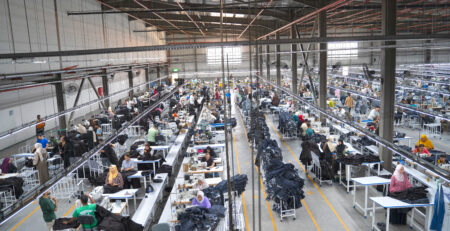
For global fashion brands, reliable color control is essential because denim collections often require consistency across thousands of garments.
Sustainable Indigo Dyeing in Denim Production
Sustainability has become increasingly important in the denim industry. Traditional dyeing methods can require significant water, energy, and chemical usage, making responsible production practices essential.
Modern denim manufacturers focus on:
- Reducing water consumption
- Improving chemical management
- Recycling wastewater
- Optimizing dye efficiency
- Using cleaner production technologies
Advanced dyeing systems help manufacturers maintain high-quality denim production while reducing environmental impact.
The Role of Technology in Indigo Denim Production
Technology plays an important role in improving the accuracy and efficiency of the indigo dyeing process.
Modern denim facilities use technology for:
- Real-time production monitoring
- Color consistency management
- Chemical optimization
- Process tracking
- Quality control
Digital production systems allow manufacturers to identify potential issues earlier and maintain consistent results throughout large-scale production.
Indigo Dyeing and Denim Finishing: Creating the Final Product
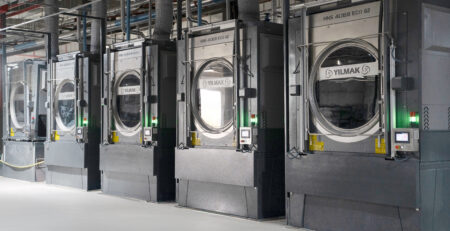
Indigo dyeing is only one stage of denim manufacturing. After fabric production, additional finishing processes shape the final characteristics of jeans.
These processes may include:
- Washing
- Softening
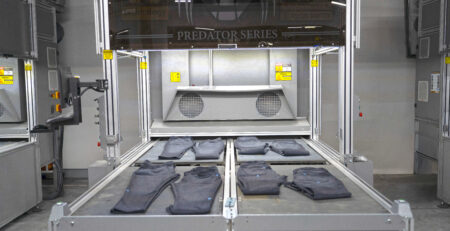
- Laser finishing
- Special effects
- Garment treatments
The combination of indigo dyeing and finishing techniques allows brands to create different denim identities, from premium raw denim collections to casual vintage-inspired jeans.
Choosing a Denim Manufacturer With Indigo Expertise
For brands developing denim collections, selecting a manufacturer with strong experience in indigo denim production is essential.
A capable denim manufacturing partner should understand:
- Yarn dyeing techniques
- Denim fabric development
- Color management
- Washing technologies
- Sustainable production methods
- Quality control processes
The right manufacturer helps brands achieve the desired look, feel, and performance while maintaining production consistency.
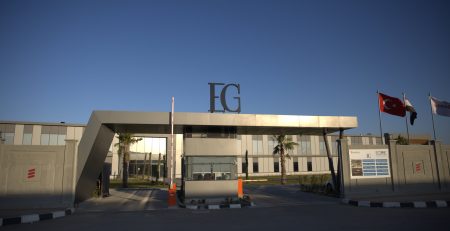
EG (Eroğlu Garment): Expertise in Denim Manufacturing
EG (Eroğlu Garment) combines decades of textile experience with modern denim production capabilities to support global fashion brands.
With manufacturing operations in Egypt and expertise across denim production processes, EG (Eroğlu Garment) provides integrated solutions including product development, production planning, washing, finishing, and quality management.
By combining Turkish textile know-how with modern manufacturing technologies, EG (Eroğlu Garment) supports brands looking for a reliable partner in denim production.
For companies searching for experienced denim manufacturers, understanding and controlling processes such as the indigo dyeing process is essential to creating high-quality denim collections.