In the global textile industry, certifications play an important role in helping brands evaluate manufacturing partners, product safety, sustainability practices, and ethical production standards.
For fashion brands working with international suppliers, choosing a garment manufacturer is no longer only about production capacity or cost. Today, brands also consider compliance, environmental responsibility, worker welfare, and supply chain transparency.
Certifications such as OEKO-TEX certification, GOTS, BSCI, and SEDEX help companies understand whether textile suppliers meet specific quality, safety, and sustainability requirements.
This guide explains the most important textile certifications and why they matter when selecting a reliable apparel manufacturing partner.
What Are Textile Certifications?
Textile certifications are independent standards used to verify specific aspects of textile and garment production.
Depending on the certification, they may evaluate:
- Chemical safety
- Environmental impact
- Organic material usage
- Worker rights
- Workplace conditions
- Supply chain transparency
- Ethical business practices
For brands sourcing denim, apparel, or other textile products, certifications provide greater confidence throughout the manufacturing process.
Why Are Textile Certifications Important for Brands?
Choosing a textile manufacturer involves more than checking production capacity. Brands need to ensure that their products are manufactured according to international expectations.
Textile certifications help brands:
Ensure Product Safety
Consumers are increasingly interested in how products are made and what materials they contain. Certifications help verify that textiles meet specific safety requirements.
Improve Supply Chain Transparency
Global fashion brands often work with suppliers across different countries. Certification systems provide visibility into production practices and compliance standards.
Support Sustainability Goals
Many brands have sustainability commitments related to:
- Lower environmental impact
- Responsible sourcing
- Reduced chemical usage
- Better resource management
Certified suppliers can help brands achieve these goals more effectively.
What Is OEKO-TEX Certification?
OEKO-TEX certification is one of the most recognized textile safety certifications worldwide. It focuses primarily on ensuring that textile products are tested for harmful substances and are safe for human use.
The certification evaluates materials and products against strict chemical safety criteria.
An OEKO-TEX certified manufacturer demonstrates that its textile products have been tested according to internationally recognized safety standards.
What Does OEKO-TEX Certification Test?
OEKO-TEX certification evaluates textile products for substances that may be harmful to humans or the environment.
Depending on the product category, testing may include:
- Harmful chemicals
- Restricted substances
- Residual chemicals from production processes
- Dyes and finishing agents
- Materials that may affect human health
This makes OEKO-TEX especially relevant for brands producing garments that have direct skin contact.
Why Is OEKO-TEX Certification Important in Garment Manufacturing?
For apparel brands, working with suppliers that follow textile safety standards reduces production risks.
An OEKO-TEX approach supports:
- Safer textile production
- Better product confidence
- Compliance with international market expectations
- Stronger brand reputation
For global brands selling in markets such as Europe and North America, product safety and chemical management are increasingly important factors when selecting manufacturing partners.
What Is GOTS Certification?
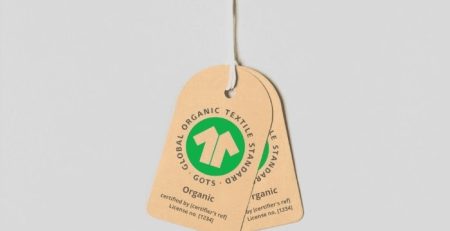
GOTS (Global Organic Textile Standard) is one of the leading certifications for organic textiles.
Unlike OEKO-TEX certification, which focuses mainly on chemical safety, GOTS evaluates the entire production chain of organic textile products.
GOTS certification covers:
- Organic fiber requirements
- Environmental processing criteria
- Chemical restrictions
- Social responsibility requirements
- Supply chain traceability
For brands developing organic cotton collections, GOTS certification provides assurance that materials meet strict organic textile standards.
OEKO-TEX vs GOTS: What Is the Difference?
Although both certifications are related to responsible textile production, they focus on different areas.
| Certification | Main Focus |
| OEKO-TEX certification | Product safety and harmful substance testing |
| GOTS certification | Organic fibers and sustainable textile production |
| BSCI certification | Social compliance and worker conditions |
| SEDEX certification | Ethical supply chain management |
A textile manufacturer may follow multiple standards depending on customer requirements and product categories.
What Is BSCI Certification?
BSCI (Business Social Compliance Initiative) focuses on improving working conditions throughout global supply chains.
BSCI evaluates areas such as:
- Worker rights
- Workplace safety
- Fair treatment
- Working hours
- Social responsibility
For international fashion brands, BSCI helps ensure that manufacturing partners operate according to ethical labor standards.
What Is SEDEX Certification?
SEDEX is a platform and methodology focused on responsible sourcing and ethical supply chains.
SEDEX assessments commonly review:
- Labor standards
- Health and safety
- Environmental practices
- Business ethics
Many global brands use SEDEX-related assessments when evaluating suppliers and monitoring supply chain responsibility.
How Do Textile Certifications Affect Choosing a Manufacturer?
When selecting a garment manufacturer, brands should evaluate more than production capacity.
Important questions include:
- Does the manufacturer follow international compliance standards?
- Can they provide certification documentation?
- How do they manage chemical processes?
- What sustainability practices do they implement?
- How transparent is their production process?
A reliable manufacturing partner should combine:
- Production expertise
- Quality management
- Sustainability practices
- Compliance systems
- Transparent communication
Textile Certifications in Denim Manufacturing
Denim production involves several processes where sustainability and compliance are particularly important.
These include:
- Fabric production
- Dyeing
- Washing
- Finishing
- Chemical management
Because denim washing can involve significant water and chemical usage, responsible manufacturing practices are essential.
Modern denim manufacturers focus on:
- Water management
- Waste reduction
- Energy efficiency
- Controlled chemical usage
- Digital production monitoring
Sustainability and Compliance at EG (Eroğlu Garment)
EG (Eroğlu Garment) approaches textile manufacturing with a focus on technology, sustainability, and responsible production.
The company combines Turkish textile expertise with its manufacturing operations in Egypt, supporting global brands through integrated apparel production.
Its sustainability approach focuses on areas such as:
- Resource efficiency
- Wastewater management
- Responsible production processes
- Digital monitoring systems
For brands searching for a reliable textile manufacturing partner, evaluating production capabilities together with sustainability practices and compliance standards is essential.
How to Choose a Textile Manufacturer with the Right Certifications?
Before partnering with a textile supplier, brands should review:
1. Certification Requirements
Identify which certifications are required for your target market and product category.
2. Production Capabilities
Ensure the manufacturer has experience with your product type, whether denim, jeans, knitwear, or other apparel categories.
3. Sustainability Practices
Evaluate water management, energy usage, waste reduction, and chemical management systems.
4. Quality Control Processes
Certifications should be supported by strong internal quality control procedures.
5. Supply Chain Transparency
A reliable supplier should provide clear information about production processes and compliance practices.