Denim is one of the most iconic fabrics in the world. skirts,From jeans and jackets to shirts and workwear, denim fabric has become a timeless part of global fashion. Its durability, versatility and distinctive look make it a preferred material for both everyday clothing and premium collections.
But what exactly is denim, what is denim made of, and how is denim made? Understanding the production process helps fashion brands, buyers and sourcing teams make better decisions when choosing a denim manufacturing partner.
What Is Denim?
Denim is a strong cotton-based textile traditionally woven with a twill weave. This weaving structure gives denim its diagonal ribbed appearance and helps create the durability that makes it suitable for long-lasting garments.
The most common use of denim is jeans, but denim is not limited to pants. Today, brands use denim in jackets, dresses, shirts, skirts, bags, accessories and even experimental fashion pieces.
What makes denim unique is not only its strength but also the way it changes over time. With wear, washing and finishing, denim develops different textures, shades and character. This is why denim remains one of the most expressive fabrics in the fashion industry.
What Is Denim Made Of?
The answer to what is denim made of starts with cotton. Traditional denim is made from cotton yarns, which are spun, dyed and woven into fabric. In classic denim fabric, the warp yarns are dyed, usually with indigo, while the weft yarns often remain undyed or lighter in color. This creates the familiar blue surface and lighter inner side of denim.
However, modern denim can include different fiber blends depending on the desired performance and style. For example:
- 100% cotton denim offers a classic, rigid and authentic feel.
- Stretch denim usually includes elastane or similar fibers for flexibility and comfort.
- Blended denim may include polyester, recycled fibers or other materials to improve durability, shape retention or sustainability.
- Organic or recycled cotton denim supports more responsible production goals.
For fashion brands, choosing the right denim fabric depends on the product type, target customer, fit, wash effect and sustainability expectations.
How Is Denim Made?
The question how is denim made can be answered through several key production stages. Denim manufacturing requires technical expertise from yarn preparation to final garment finishing.
1. Fiber Selection
The process begins with selecting the right fibers. Cotton is the main raw material in most denim fabrics. The quality of the cotton affects the strength, softness and overall performance of the final fabric.
For premium denim, fiber quality is especially important because it influences how the garment feels, fits and ages over time.
2. Spinning the Yarn
After the fibers are selected, they are spun into yarn. Yarn thickness, strength and texture play an important role in the final denim fabric. Different yarn types can create different looks, from smooth and clean denim to more textured or vintage-inspired surfaces.
3. Dyeing the Warp Yarns
One of the most distinctive steps in denim production is dyeing. In traditional denim, the warp yarns are dyed with indigo. This gives denim its iconic blue color.
Indigo dyeing is unique because the dye does not fully penetrate the yarn core. As a result, denim can fade naturally over time, creating the worn-in look that consumers love.
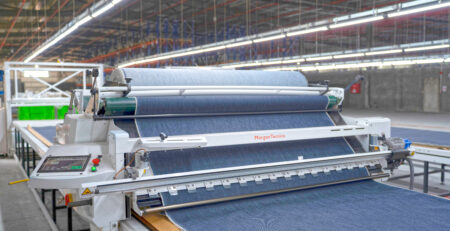
4. Weaving the Denim Fabric
After dyeing, the yarns are woven into denim fabric. Denim is usually woven in a twill structure, which creates the diagonal lines visible on the fabric surface.
The weaving stage determines many characteristics of the fabric, including weight, strength, texture and flexibility. Lightweight denim may be preferred for shirts or dresses, while heavier denim is often used for jeans and jackets.
5. Finishing the Fabric
Once woven, the denim fabric goes through finishing processes. These can improve softness, shrinkage control, appearance and performance.
Finishing is a critical stage because it prepares the fabric for garment production and ensures that it meets the quality expectations of fashion brands.
6. Garment Manufacturing
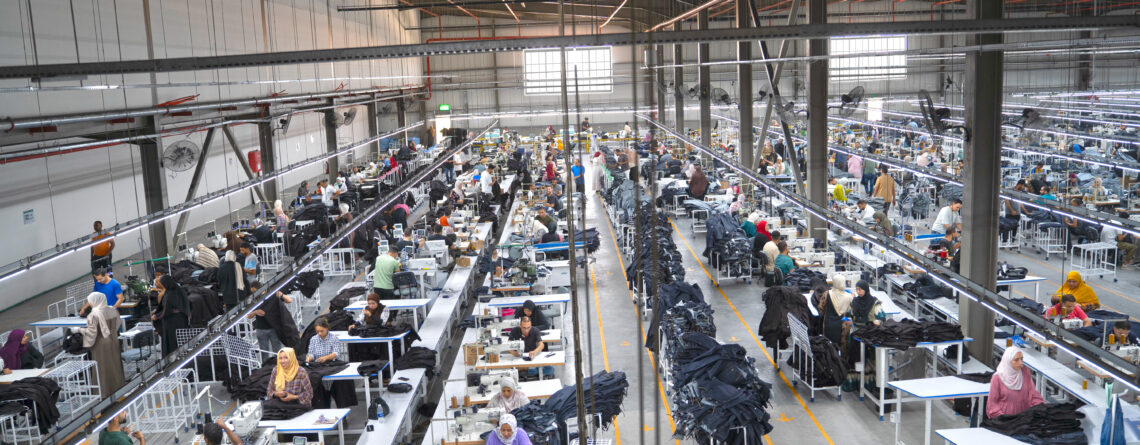
After the denim fabric is ready, it is cut and sewn into garments. This stage requires precision, especially for jeans and structured denim products where fit, stitching, pocket placement and durability are essential.
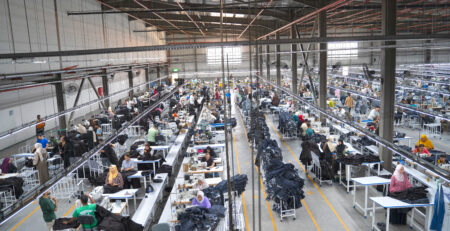
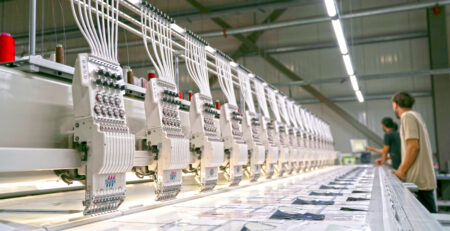
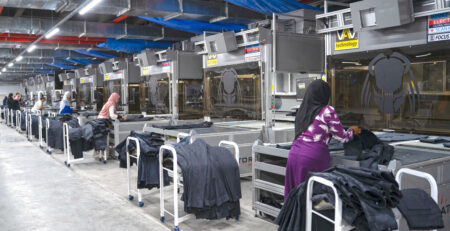
Garment manufacturing may include cutting, sewing, embroidery, printing, washing, piece dyeing and final finishing depending on the collection requirements.
7. Washing and Final Effects
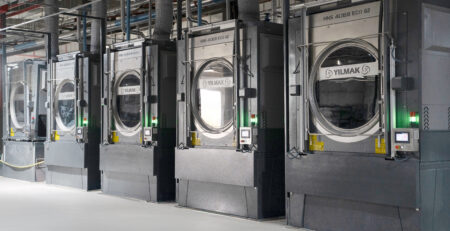
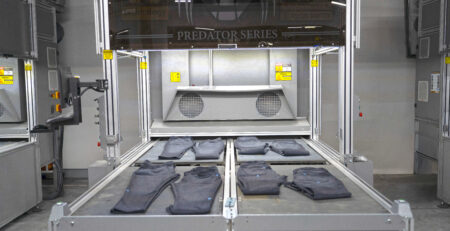
Denim washing is one of the most important stages in creating the final look of a denim product. Washing techniques can create different colors, fades, textures and vintage effects.
From clean dark indigo to stone-washed, bleached or worn-in styles, washing gives denim its final personality. For global brands, this stage requires not only creativity but also strong technical control, sustainability awareness and consistency.
Why Denim Manufacturing Expertise Matters
Denim may look simple from the outside, but producing high-quality denim garments requires deep technical knowledge. Every stage affects the final product: fiber selection, yarn quality, dyeing, weaving, cutting, sewing, washing and finishing.
For fashion brands, this means choosing the right manufacturing partner is essential. A reliable denim manufacturer should offer:
- consistent quality,
- flexible production capabilities,
- strong washing and finishing expertise,
- sustainable production processes,
- advanced technology,
- and the ability to support global brand standards.
As consumer expectations change, denim production is also evolving. Brands now look for manufacturers that can combine design, technology, efficiency and sustainability in one integrated production model.
Denim Manufacturing with Eroğlu Garment
Eroğlu Garment brings together denim expertise, advanced production technologies and sustainability-focused manufacturing in Egypt. With integrated capabilities across key garment production stages such as cutting, sewing, washing, piece dyeing and finishing, EG supports global fashion brands looking for a reliable denim manufacturing partner.
Located in Egypt, Eroğlu Garment offers brands a strategic production advantage through its manufacturing capacity, skilled workforce, technology-driven operations and proximity to major international markets. This makes Egypt an increasingly attractive location for brands seeking an alternative, flexible and efficient sourcing destination.
For companies searching for a denim manufacturer that understands both the technical side of denim fabric and the expectations of global fashion, Eroğlu Garment provides a strong production ecosystem built around quality, innovation and responsible manufacturing.
Conclusion
Denim is more than a fabric. It is a global fashion essential shaped by cotton, indigo dyeing, twill weaving, expert garment production and creative finishing techniques. Understanding what denim is made of and how denim is made helps brands make better sourcing and production decisions.
As denim continues to evolve, manufacturers with integrated production capabilities, sustainable processes and advanced technology will play a key role in the future of the industry. For global brands looking to produce high-quality denim garments in Egypt, Eroğlu Garment stands out as a strategic manufacturing partner.