In the denim industry, the terms denim fabric suppliers and jeans manufacturers are sometimes used interchangeably. However, they represent two different stages of the apparel supply chain.
A denim fabric supplier provides the raw material needed to create denim products, while a jeans manufacturer transforms that fabric into finished garments such as jeans, jackets, and other denim apparel.
Understanding the difference between these two partners is essential for fashion brands planning denim collections, managing production processes, and building reliable supply chains.
What Are Denim Fabric Suppliers?
Denim fabric suppliers are companies that produce or distribute denim fabric used in apparel manufacturing.
Their primary responsibility is creating the textile material that becomes the foundation of denim products.
A denim fabric supplier typically manages processes such as:
- Cotton yarn sourcing
- Yarn preparation
- Indigo dyeing
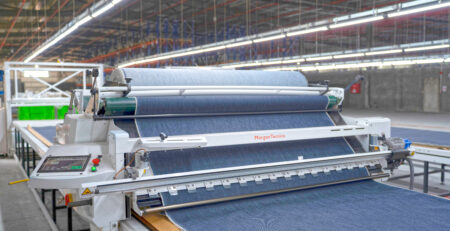
- Weaving
- Fabric finishing
- Fabric testing
- Quality control
The final output is denim fabric rolls that are delivered to garment manufacturers.
What Do Denim Fabric Suppliers Provide?
A professional denim supplier may offer different fabric options based on brand requirements, including:
- 100% cotton denim
- Stretch denim
- Lightweight denim
- Heavyweight denim
- Organic denim
- Recycled denim
- Different indigo shades
- Custom fabric developments
Fabric selection directly affects the final product’s:
- Comfort
- Durability
- Appearance
- Stretch performance
- Color behavior
- Washing results
What Are Jeans Manufacturers?
A jeans manufacturer is responsible for turning denim fabric into finished denim products.
While denim fabric suppliers create the material, jeans manufacturers handle the garment production process.
A jeans manufacturer typically manages:
- Pattern development
- Cutting
- Sewing
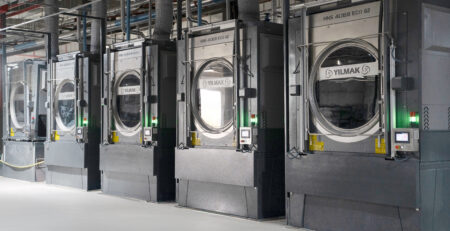
- Washing
- Finishing
- Quality control
- Packaging
- Shipment preparation
In other words, jeans manufacturers transform denim fabric into ready-to-sell products for fashion brands.
Denim Fabric Suppliers vs Jeans Manufacturers: The Key Difference
The simplest way to understand the difference is:
| Denim Fabric Suppliers | Jeans Manufacturers | |
| Main product | Denim fabric | Finished jeans and denim garments |
| Production stage | Textile production | Garment production |
| Main expertise | Fabric development and weaving | Product manufacturing and assembly |
| Customers | Garment manufacturers and brands | Fashion brands and retailers |
| Output | Fabric rolls | Finished denim products |
Both partners are important, but they operate at different points in the denim supply chain.
How Denim Fabric and Jeans Production Work Together
A successful denim collection requires cooperation between fabric suppliers and garment manufacturers.
The general production journey looks like this:
1. Denim Fabric Development
The process begins with selecting or developing the right denim fabric.
Brands may work with denim fabric suppliers to determine:
- Fabric composition
- Weight
- Stretch level
- Color tone
- Surface appearance
2. Product Design and Development
After fabric selection, the garment manufacturer develops the actual product.
This includes:
- Creating patterns
- Developing samples
- Adjusting fit
- Selecting construction details
At this stage, the manufacturer ensures that the fabric performs correctly in the final garment.
3. Jeans Manufacturing Process
The denim fabric then moves through the garment production stages:
Cutting
Fabric is cut according to approved patterns.
Sewing
Different components such as pockets, waistbands, and panels are assembled.
Washing and Finishing
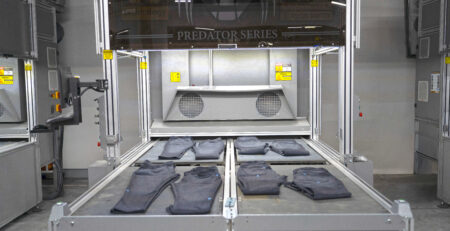
Special washing techniques create the final appearance and texture of jeans.
Examples include:
- Stone wash
- Enzyme wash
- Bleach effects
- Vintage effects
- Laser finishing
Quality Control
The final product is inspected before shipment.
Should Brands Work With Denim Fabric Suppliers or Jeans Manufacturers?
The answer depends on the brand’s needs.
Brands Looking for Fabric Development
If a brand needs:
- Custom denim fabric
- Specific fabric performance
- Unique colors or textures
working with denim fabric suppliers is important.
Fabric innovation often starts at this stage.
Brands Looking for Finished Denim Products
If a brand needs:
- Ready-to-sell jeans
- Complete production management
- Collection development support
- Sampling and manufacturing
working with a jeans manufacturer is the better approach.
Many global fashion brands prefer working with integrated manufacturers that can manage the entire production process after fabric selection.
Why Fabric Quality Matters in Jeans Manufacturing
The quality of denim fabric has a direct impact on the final jeans.
Important fabric characteristics include:
Durability
Denim must withstand daily use, washing, and movement.
Comfort
Modern consumers expect jeans to provide both structure and flexibility.
Color Performance
Indigo stability and washing behavior affect the final appearance.
Fit and Recovery
Stretch denim requires proper elasticity and recovery to maintain shape.
Because of these factors, jeans manufacturers need strong technical knowledge about denim fabrics.
The Role of an Integrated Denim Manufacturer
Modern apparel production increasingly requires more than basic garment assembly.
An integrated denim manufacturer can support brands with:
- Fabric selection guidance
- Product development
- Sampling
- Manufacturing planning
- Washing expertise
- Quality management
- Sustainability solutions
This approach reduces complexity for brands by bringing multiple production stages together.
Denim Fabric Suppliers and Jeans Manufacturers in the Global Supply Chain
The global denim industry depends on collaboration between different specialists.
A typical denim supply chain includes:
- Cotton producers
- Yarn manufacturers
- Denim fabric suppliers
- Jeans manufacturers
- Fashion brands
- Retailers
Each stage contributes to the final product quality.
A successful denim collection requires coordination between all partners.
How to Choose the Right Partner for Denim Production?
When selecting partners, brands should evaluate several factors.
For Denim Fabric Suppliers:
Consider:
- Fabric quality
- Innovation capabilities
- Sustainability standards
- Testing processes
- Production consistency
For Jeans Manufacturers:
Consider:
- Denim expertise
- Production capacity
- Quality control systems
- Washing capabilities
- Product development support
- Delivery reliability
Choosing the right partner helps brands maintain quality while improving production efficiency.
Eroğlu Garment: Supporting Brands with Denim Manufacturing Expertise
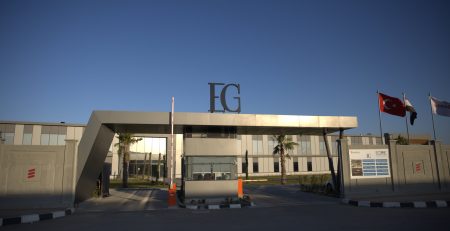
Eroğlu Garment focuses on denim and apparel manufacturing for global brands, providing integrated production solutions from product development to finished garments.
With manufacturing operations in Egypt and decades of textile experience from Eroğlu Global Holding, Eroğlu Garment combines denim expertise with modern production capabilities.
The company supports brands through key stages of the jeans production process, including:
- Product development
- Sampling
- Cutting
- Sewing
- Washing
- Finishing
- Quality control
- Shipment preparation
For brands looking for a reliable jeans manufacturer, working with an experienced production partner helps create consistent, scalable, and high-quality denim collections.