Sustainability has become one of the most important considerations in the fashion and textile industry. As global brands continue to reduce their environmental impact, denim production is also evolving with new approaches such as organic denim and recycled denim.
Both options aim to create more sustainable alternatives to conventional denim production. However, they achieve sustainability through different methods.
While organic denim focuses on how cotton is grown and sourced, recycled denim focuses on recovering and reusing existing materials to reduce waste.
Understanding the difference between organic and recycled denim helps brands make better decisions when developing sustainable collections.
What Is Organic Denim?
Organic denim is denim fabric produced using organic cotton that is grown without synthetic pesticides, chemical fertilizers, or genetically modified seeds.
Unlike conventional cotton farming, organic cotton production follows agricultural practices designed to reduce environmental impact and support healthier soil management.
Organic denim is not only about the final fabric; it represents a more responsible approach starting from raw material sourcing.
The production process typically focuses on:
- Responsible cotton farming
- Reduced chemical usage
- Improved soil health
- Better resource management
- Traceable raw materials
For brands developing sustainable denim collections, organic denim provides an opportunity to improve the environmental profile of their products from the very beginning of the supply chain.
What Is Organic Cotton Denim?
Organic cotton denim refers specifically to denim fabrics made using cotton grown under organic farming standards.
Cotton is the primary raw material in most denim products, meaning the choice of cotton has a significant impact on the sustainability of the final garment.
Organic cotton denim can offer advantages such as:
- Reduced dependence on synthetic agricultural chemicals
- More sustainable farming practices
- Better traceability of raw materials
- Alignment with sustainability-focused brand values
However, organic cotton alone does not define a completely sustainable denim product. Other stages, including dyeing, washing, finishing, energy usage, and water management, are also critical.
What Is Recycled Denim?
Recycled denim is produced by reusing existing textile materials instead of relying entirely on new raw materials.
The recycling process can involve:
- Post-consumer denim products
- Textile production waste
- Recovered cotton fibers
- Pre-consumer fabric scraps
The main goal of recycled denim is to reduce waste and extend the lifecycle of existing materials.
By incorporating recycled fibers into denim production, manufacturers can help reduce:
- Textile waste
- Demand for virgin raw materials
- Overall resource consumption
Recycled denim is becoming increasingly popular among brands looking to develop circular fashion collections.
Organic Denim vs Recycled Denim: Key Differences
Although both approaches support sustainable fashion, they focus on different stages of the production process.
| Category | Organic Denim | Recycled Denim |
| Main Focus | Sustainable raw material sourcing | Material reuse and waste reduction |
| Main Material | Organic cotton | Recycled textile fibers |
| Environmental Approach | Improves farming practices | Supports circular production |
| Primary Benefit | Reduces impact from cotton cultivation | Reduces textile waste |
| Supply Chain Focus | Agriculture and fiber sourcing | Recycling and material recovery |
The choice between organic and recycled denim depends on a brand’s sustainability strategy, product requirements, and target market.
Which Is More Sustainable: Organic Denim or Recycled Denim?
There is no single answer to which option is more sustainable.
Organic denim addresses the environmental impact of cotton farming, while recycled denim focuses on reducing waste and increasing material efficiency.
Many sustainable denim strategies combine both approaches.
For example, a denim product can include:
- Organic cotton fibers
- Recycled cotton content
- Responsible dyeing processes
- Water-efficient washing techniques
- Renewable energy usage
A holistic approach is often the most effective way to create more responsible denim collections.
The Role of Manufacturing in Sustainable Denim
Choosing sustainable materials is only one part of responsible denim production.
A sustainable denim manufacturer must also consider:
Water Management
Denim washing processes traditionally require significant water usage. Modern manufacturers are implementing:
- Water recycling systems
- Efficient washing technologies
- Reduced water consumption processes
Responsible Chemical Management
Dyeing and finishing processes require careful chemical management to ensure safer production.
Technologies such as automated dosing systems help improve accuracy and reduce unnecessary chemical usage.
Energy Efficiency
Sustainable denim production increasingly focuses on:
- Renewable energy sources
- Energy-efficient machinery
- Production optimization
Waste Reduction
Manufacturers can reduce waste through:
- Better production planning
- Fabric optimization
- Recycling programs
- Digital monitoring systems
How Brands Should Choose Between Organic Denim and Recycled Denim
When selecting sustainable denim materials, brands should evaluate several factors.
Product Positioning
Luxury, premium, and sustainability-focused brands may prioritize organic denim because of its connection with responsible farming practices.
Brands focused on circular fashion may prefer recycled denim because of its waste reduction benefits.
Product Performance
The percentage of recycled fibers or organic cotton content can affect:
- Fabric strength
- Comfort
- Appearance
- Durability
Material selection should always match the intended product performance.
Supply Chain Transparency
Brands should work with manufacturers that can provide visibility into:
- Material sourcing
- Production processes
- Certifications
- Quality controls
Transparency is becoming a key factor in sustainable fashion partnerships.
Certifications in Sustainable Denim Production
Certifications help brands verify sustainability claims and improve supply chain transparency.
Common certifications and standards in sustainable textile production include:
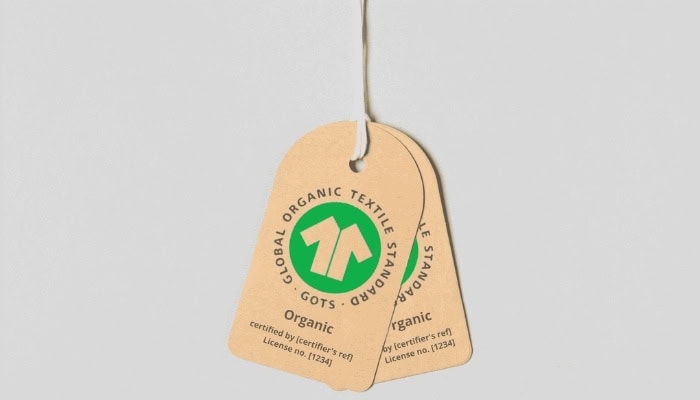
- Global Organic Textile Standard (GOTS)
- Organic Content Standard (OCS)
- Global Recycled Standard (GRS)
- Better Cotton initiatives
These standards help ensure that sustainable materials are properly tracked throughout production.
Why Sustainable Denim Manufacturing Matters for Global Brands
For fashion brands, sustainability is no longer only about marketing. It has become an important factor in consumer expectations, regulations, and long-term business strategies.
A reliable denim manufacturing partner should support brands with:
- Sustainable material sourcing
- Product development expertise
- Responsible production processes
- Quality consistency
- Supply chain transparency
The future of denim production will depend on balancing sustainability, quality, design, and scalability.
EG (Eroğlu Garment): Supporting Sustainable Denim Production
EG (Eroğlu Garment) combines decades of Turkish textile expertise with modern manufacturing capabilities in Egypt to support global brands with denim and apparel production.
The company focuses on integrated manufacturing processes, including product development, cutting, sewing, washing, finishing, and quality control.
With sustainability integrated into production practices, EG (Eroğlu Garment) supports brands looking for responsible denim manufacturing solutions.
From material selection to final production, choosing the right manufacturing partner plays a critical role in creating sustainable denim collections that meet both environmental goals and quality expectations.