Denim is one of the most important fabrics in global fashion. From classic jeans to jackets, skirts, shirts and workwear, denim products are produced and sold across almost every market in the world. Behind every finished denim garment, there is a detailed and technical production journey.
For fashion brands, understanding the denim manufacturing process is essential when choosing the right production partner. Quality, fit, durability, washing effects, sustainability and delivery performance all depend on how well each stage is managed.
Today, denim manufacturing is not only about producing high volumes. Global brands also look for flexibility, responsible production, advanced technology and strong quality control. This is why denim manufacturing Egypt has become an increasingly relevant sourcing option for international fashion companies.
What Is Denim Manufacturing?
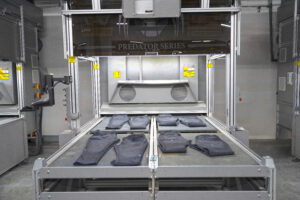
Denim manufacturing refers to the full process of turning denim fabric into finished garments. This process can include fabric sourcing, cutting, sewing, washing, finishing, quality control, packing and shipment.
In jeans manufacturing, every detail matters. The fabric weight, pattern accuracy, stitching quality, pocket placement, washing technique and final finishing all affect the look and performance of the product.
A strong denim manufacturer should be able to manage both the technical and creative sides of production. This is especially important for brands that work with different fits, seasonal collections, washes and design details.
Key Stages of the Denim Manufacturing Process
The denim manufacturing process usually includes several key stages. Each stage has a direct impact on the final garment quality.
1. Fabric Selection
The process starts with choosing the right denim fabric. Brands may prefer rigid denim, stretch denim, lightweight denim, heavyweight denim, recycled cotton denim or blended denim depending on the product type.
For jeans, fabric selection is especially important because it affects comfort, fit, durability and washing results. A slim-fit stretch jean and a rigid vintage-style jean require very different fabric characteristics.
2. Pattern Making and Product Development
Before mass production begins, patterns are prepared according to the brand’s design and size specifications. This stage defines the fit, proportions and construction of the garment.
In professional jeans manufacturing, product development often includes sample production, fit revisions and technical adjustments. This helps brands make sure the final product matches their expectations before moving into bulk production.
3. Cutting
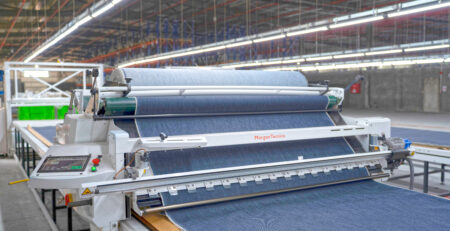
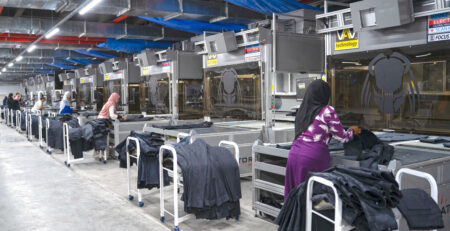
Once the pattern is approved, denim fabric is cut into garment pieces. Cutting requires precision because even small mistakes can affect the fit and shape of the final product.
For denim garments, pieces such as front panels, back panels, waistbands, pockets and belt loops must be prepared accurately. Efficient cutting also helps reduce fabric waste and improve production performance.
4. Sewing
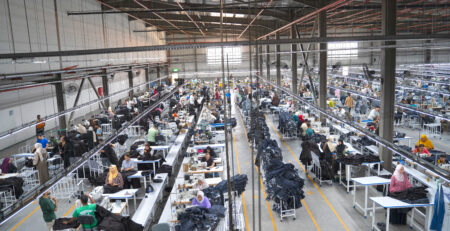
Sewing is one of the most important stages of denim manufacturing. Jeans and denim garments require strong seams, consistent stitching and durable construction.
Different parts of the garment may require different sewing techniques. For example, pockets, zippers, waistbands and side seams must be produced with high durability. Stitch quality also contributes to the visual identity of the garment.
5. Washing and Finishing
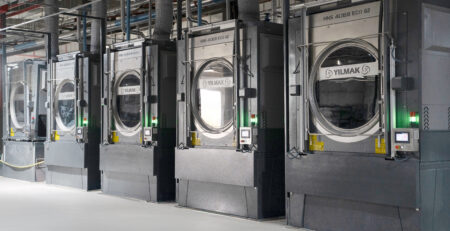
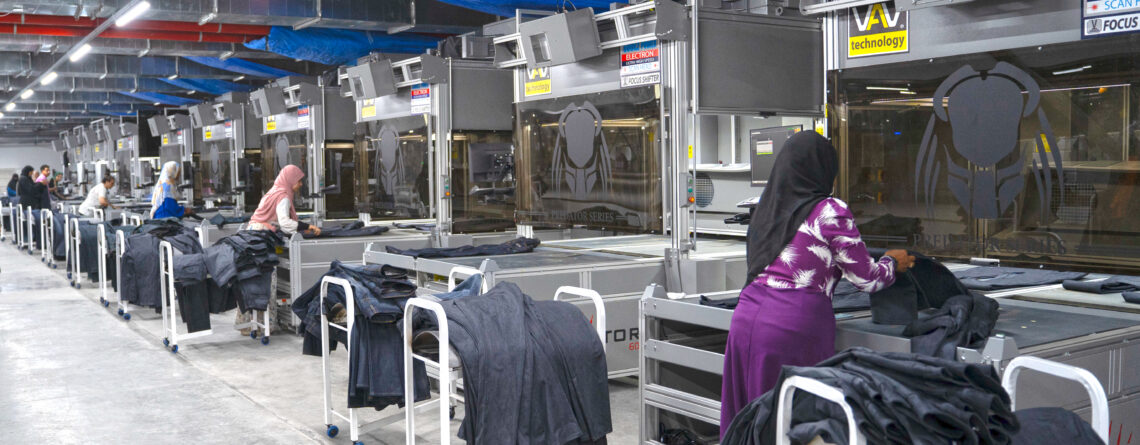
Washing is where denim gains much of its final character. Through different washing and finishing techniques, manufacturers can create dark indigo, vintage, stone-washed, faded, worn-in or clean modern looks.
This stage is highly technical. The same fabric can look completely different depending on the washing recipe, machinery, chemical control and process timing.
For global brands, washing expertise is one of the most important criteria when selecting a denim manufacturing partner. Consistency is key: a brand needs the same look and quality across hundreds or thousands of garments.
6. Quality Control
Quality control should take place at multiple points during production. Measurements, stitching, fabric defects, washing results, trims and finishing details must all be checked carefully.
In jeans manufacturing, quality control is especially important because customers expect denim products to be durable, comfortable and consistent. A reliable manufacturer should have structured quality control processes from sample development to final shipment.
7. Packing and Shipment
After final inspection, garments are packed according to the brand’s requirements and prepared for shipment. For international brands, logistics performance is also an important part of the manufacturing partnership.
A strong production partner should not only manufacture garments but also support smooth delivery planning.
Why Egypt Is Becoming Important in Denim Manufacturing
Global fashion brands are increasingly evaluating new production hubs to diversify their supply chains. Egypt stands out because of its strategic location, textile heritage, competitive production environment and access to international markets.
For European, Middle Eastern and global fashion brands, Egypt offers a strong balance between production capability and geographic advantage. Its location supports faster connections to major markets compared to some distant sourcing destinations.
This is why searches around denim manufacturing Egypt are becoming more relevant for brands looking for alternative and reliable production partners.
Egypt also has a long history in textiles and cotton. Combined with modern investment in garment production, this creates a strong foundation for denim and apparel manufacturing.
What Brands Should Look for in a Denim Manufacturer
Choosing the right denim manufacturer is a strategic decision. Brands should not only look at price. They should also evaluate production capacity, quality standards, washing expertise, sustainability practices, technology use and communication quality.
A good denim manufacturing partner should offer:
- integrated production capabilities,
- strong sample and product development support,
- reliable jeans manufacturing expertise,
- advanced washing and finishing know-how,
- consistent quality control,
- responsible resource management,
- and the ability to meet global brand expectations.
As the fashion industry becomes more competitive, manufacturers that combine efficiency, sustainability and flexibility will become more valuable.
Denim Manufacturing in Egypt with Eroğlu Garment
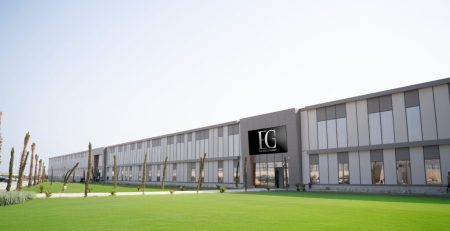
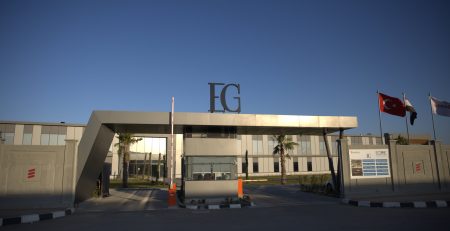
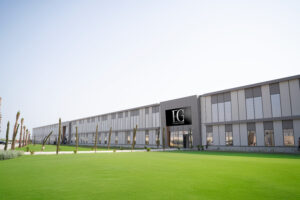
Eroğlu Garment offers a modern and integrated approach to denim manufacturing in Egypt. Built on Eroğlu Global Holding’s long-standing textile experience, EG combines production capacity, technology and sustainability-focused operations to support global fashion brands.
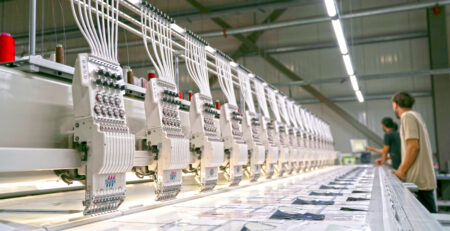
EG’s manufacturing capabilities include key stages such as cutting, sewing, embroidery, screen printing, washing, piece dyeing and finishing. This integrated structure allows brands to manage different production needs through a single reliable partner.
For brands focused on jeans manufacturing, this is a major advantage. Denim products require technical consistency across fit, stitching, washing and finishing. EG’s production ecosystem is designed to support these expectations with advanced processes and operational control.
Located in Egypt, Eroğlu Garment also provides a strategic sourcing advantage for brands looking to diversify production and work with a manufacturer close to important global markets. With its technology-driven facility and sustainability-oriented approach, EG positions Egypt not only as an alternative sourcing destination but as a strong denim manufacturing hub for the future.
Conclusion
The denim manufacturing process is complex, technical and highly detail-oriented. From fabric selection and cutting to sewing, washing, finishing and quality control, each stage affects the final product.
For fashion brands, choosing the right partner is essential for successful denim and jeans manufacturing. As global sourcing strategies continue to evolve, Egypt is becoming an important location for brands seeking flexibility, quality and responsible production.
For companies exploring denim manufacturing Egypt, Eroğlu Garment offers an integrated, technology-focused and sustainability-driven production model designed for the needs of global fashion brands.