In denim manufacturing, quality is not determined only by the appearance of the final product. A successful denim collection requires consistency in fabric performance, color stability, measurements, durability, and overall fit.
A professional denim quality control process ensures that every stage of production meets the required standards — from fabric inspection and washing tests to final garment evaluation.
For global fashion brands, working with a denim manufacturer that has strong quality control systems is essential to reduce production risks, maintain consistency between collections, and deliver products that meet customer expectations.
This guide explains the most important aspects of denim quality control, including shrinkage testing, colorfastness testing, fit evaluation, and final garment inspection.
What Is Denim Quality Control?
Denim quality control refers to the systematic testing and inspection processes used to ensure that denim fabrics and finished garments meet predefined quality standards.
Unlike many other garment categories, denim requires specialized quality management because the fabric changes significantly during washing and finishing processes.
A comprehensive denim quality control system evaluates:
- Fabric performance
- Color stability
- Shrinkage levels
- Measurement accuracy
- Sewing quality
- Washing effects
- Durability
- Final appearance
Quality control starts from the raw denim fabric stage and continues until the finished jeans are ready for shipment.
Why Is Quality Control Important in Denim Production?
Denim products are exposed to multiple processes before reaching the consumer. Cutting, sewing, washing, dyeing, and finishing treatments can all affect the final product.
Without proper denim production quality control, brands may experience problems such as:
- Different fits between production batches
- Uneven color results
- Excessive shrinkage after washing
- Fabric defects
- Incorrect measurements
- Poor durability
For international brands, these issues can lead to customer dissatisfaction, higher return rates, and increased production costs.
A reliable denim manufacturer uses quality control systems to identify potential issues before products reach the market.
1. Denim Fabric Inspection Before Production
Quality control begins before the manufacturing process starts.
Before denim fabric enters production, manufacturers evaluate:
Fabric Appearance
The fabric is inspected for:
- Weaving defects
- Uneven dyeing
- Surface irregularities
- Color variations
- Fabric damage
Fabric Performance
Technical tests may include:
- Fabric strength testing
- Stretch and recovery testing
- Weight measurement
- Width control
- Color consistency evaluation
Early fabric inspection helps prevent quality problems during later production stages.
2. Denim Shrinkage Testing
Shrinkage is one of the most important factors in denim production.
Because denim fabrics are often exposed to washing and finishing treatments, manufacturers need to understand how much the fabric changes after processing.
What Is Denim Shrinkage?
Denim shrinkage refers to the reduction in fabric dimensions after washing or exposure to moisture and heat.
Without proper shrinkage control, jeans may experience:
- Shorter leg lengths
- Changes in waist measurements
- Incorrect garment proportions
- Poor customer fit
How Is Denim Shrinkage Tested?
A denim shrinkage test typically measures dimensional changes after controlled washing processes.
Manufacturers evaluate:
- Length shrinkage
- Width shrinkage
- Recovery after washing
These measurements help determine the correct pattern adjustments before bulk production.
3. Denim Colorfastness Testing
Color consistency is one of the defining characteristics of denim products.
A professional denim colorfastness test evaluates how well the fabric maintains its color under different conditions.
Common colorfastness tests include:
Washing Colorfastness
Measures whether denim loses color during washing.
Important for ensuring:
- Consistent appearance
- Reduced color transfer
- Better product durability
Rubbing Colorfastness
Tests whether dye transfers when the fabric experiences friction.
This is especially important for dark indigo denim products.
Light Colorfastness
Evaluates resistance to fading caused by light exposure.
Why Is Colorfastness Important for Denim Brands?
Color is a major part of denim identity.
A premium denim collection requires:
- Consistent shades between production batches
- Controlled fading behavior
- Predictable washing results
Strong denim quality inspection processes help brands maintain their desired visual identity across seasons.
4. Denim Fit Testing and Measurement Control
Fit is one of the most important factors influencing customer satisfaction.
A denim product can have high-quality fabric and finishing, but incorrect fitting can negatively affect the entire collection.
What Is Denim Fit Testing?
Denim fit testing evaluates whether the garment matches the approved technical specifications and intended silhouette.
Manufacturers check:
- Waist measurement
- Hip measurement
- Front rise
- Back rise
- Thigh width
- Knee width
- Leg opening
- Inseam length
Why Is Fit Testing Important?
Different denim styles require different fitting approaches.
For example:
- Skinny jeans require controlled stretch and recovery.
- Straight-leg jeans require balanced proportions.
- Loose-fit jeans require accurate volume distribution.
A professional jeans manufacturer should perform multiple fitting rounds before moving into bulk production.
5. Washing and Finishing Quality Control
Washing is one of the most important stages in denim manufacturing because it creates the final appearance of the product.
Denim washing processes can include:
- Stone washing
- Enzyme washing
- Bleaching
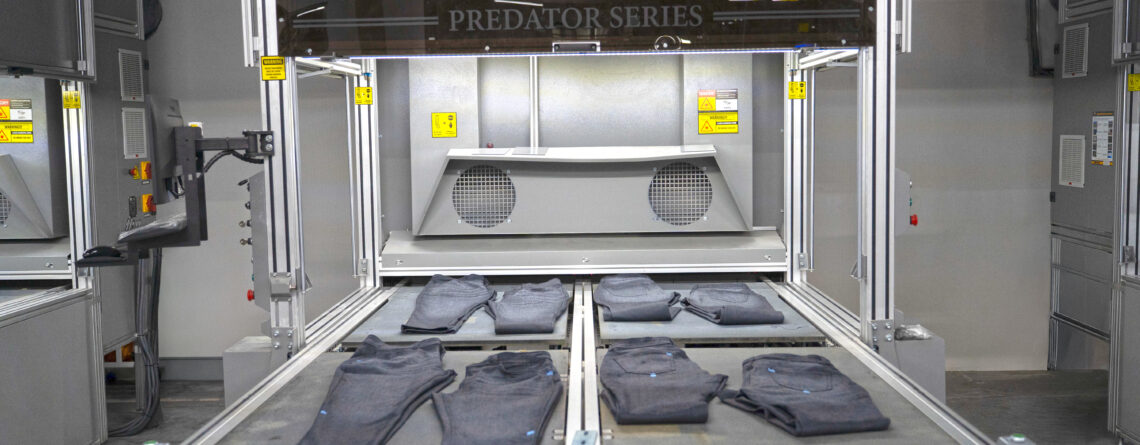
- Laser finishing
- Softening treatments
- Vintage effects
Each process must be carefully controlled because small differences can create significant changes in:
- Color tone
- Fabric hand feel
- Surface appearance
- Product measurements
A strong denim manufacturer combines technical knowledge with production experience to achieve consistent washing results.
6. Sewing and Construction Inspection
After cutting and sewing, denim garments undergo construction quality checks.
Important inspection points include:
Stitching Quality
Inspectors evaluate:
- Stitch density
- Seam strength
- Thread quality
- Loose threads
Garment Construction
Checks include:
- Pocket placement
- Zipper functionality
- Button and rivet attachment
- Symmetry
- Overall appearance
Strong construction quality improves garment durability and customer satisfaction.
7. Final Denim Garment Inspection
Before shipment, finished denim products undergo final inspection.
A complete denim garment inspection evaluates:
- Measurements
- Appearance
- Sewing quality
- Washing results
- Packaging standards
- Product consistency
Many manufacturers use international inspection methods such as AQL (Acceptable Quality Limit) systems to evaluate production quality.
Technology in Denim Quality Control
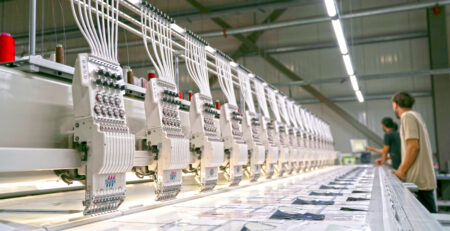
Modern denim manufacturing increasingly relies on technology to improve accuracy and transparency.
Advanced denim factories use digital systems for:
- Production monitoring
- Quality tracking
- Process optimization
- Data analysis
AI-supported production systems can help identify efficiency issues, monitor production lines, and improve consistency throughout manufacturing.
Technology allows denim manufacturers to move from reactive quality checks to proactive quality management.
Sustainability and Quality Control in Denim Manufacturing
Quality and sustainability are closely connected in modern denim production.
Efficient quality control helps reduce:
- Fabric waste
- Production defects
- Excessive rework
- Resource consumption
Sustainable denim manufacturing includes:
- Responsible water management
- Controlled chemical usage
- Energy efficiency
- Improved production planning
For global brands, choosing a manufacturer with both quality and sustainability standards is becoming increasingly important.
How to Choose a Denim Manufacturer Based on Quality Standards?
Before selecting a denim manufacturing partner, brands should ask:
Do they have experience with denim production?
Denim requires specialized knowledge in fabric behavior, washing, and finishing.
Do they have testing capabilities?
A reliable manufacturer should perform:
- Shrinkage tests
- Colorfastness tests
- Fit evaluations
- Fabric performance checks
Do they have integrated production processes?
Manufacturers that manage development, production, washing, and quality control under one system can provide better consistency.
Do they use technology for quality monitoring?
Digital production tracking improves transparency and efficiency.
EG (Eroğlu Garment)’s Approach to Denim Quality Control
EG (Eroğlu Garment) combines Turkish textile expertise with modern manufacturing capabilities in Egypt to support global brands with reliable denim production.
Through integrated production processes, advanced technology systems, and quality-focused manufacturing practices, EG (Eroğlu Garment) manages denim production from product development to final inspection.
The company’s approach focuses on:
- Consistent production quality
- Advanced manufacturing processes
- Sustainable production methods
- Long-term partnerships with global brands
For brands searching for a reliable denim manufacturer, strong quality control systems are essential for creating denim collections that perform consistently in global markets.