Choosing the right jeans manufacturer is one of the most critical decisions for fashion brands planning denim collections. A reliable manufacturing partner does not only produce jeans; it supports brands with fabric expertise, product development, quality control, production planning, and timely delivery.
From small fashion labels to global apparel brands, selecting the right denim manufacturer can directly impact product quality, customer satisfaction, and long-term business growth.
Before starting production, brands should evaluate several important factors — from manufacturing capabilities and denim expertise to sustainability standards and communication processes.
Here are 12 essential questions to ask before choosing a jeans manufacturer.
1. Does the Manufacturer Have Experience in Jeans Production?
The first question to ask is whether the manufacturer has proven experience in jeans manufacturing.
Denim production requires specialized knowledge compared to standard garment production. A professional jeans manufacturer should understand:
- Denim fabric characteristics
- Washing techniques
- Garment finishing processes
- Pattern development
- Stitching requirements
- Quality control standards
A manufacturer with strong denim experience can help brands avoid common production challenges such as inconsistent sizing, color differences, or quality issues after washing.
2. What Types of Denim Products Can They Manufacture?
Not every garment factory has the same production capabilities. Before choosing a denim manufacturer, brands should understand whether the factory can support their specific product requirements.
A capable jeans manufacturer should be able to produce different denim categories, including:
- Classic jeans
- Premium denim collections
- Stretch denim products
- Jackets
- Shirts
- Shorts
- Seasonal denim collections
Production flexibility allows brands to develop different collections with the same trusted partner.
3. Do They Offer Full-Service Denim Manufacturing?
A strong manufacturing partner should provide more than sewing operations.
The modern denim production process includes multiple stages:
- Product development
- Fabric selection
- Sampling
- Cutting
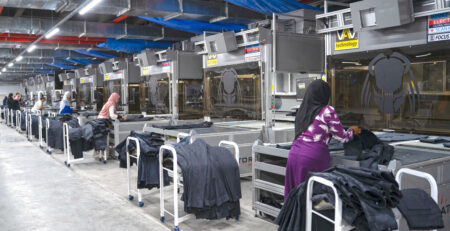
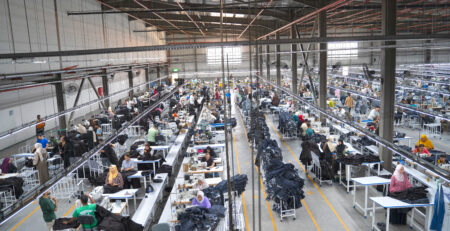
- Sewing
- Washing
- Finishing
- Quality inspection
- Packaging
Working with an integrated jeans manufacturer helps brands manage the entire production journey through one reliable partner.
Companies that provide end-to-end solutions can improve efficiency, reduce communication complexity, and maintain better quality consistency.
4. What Is Their Denim Manufacturing Process?
Understanding the denim manufacturing process helps brands evaluate production quality.
A professional jeans factory typically manages:
Fabric Development
The right denim fabric determines the final product performance, comfort, and appearance.
Cutting and Sewing
Precision in cutting and sewing ensures consistent measurements and durability.
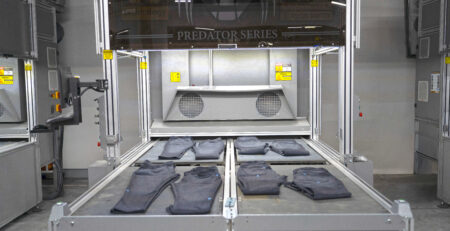
Washing and Finishing
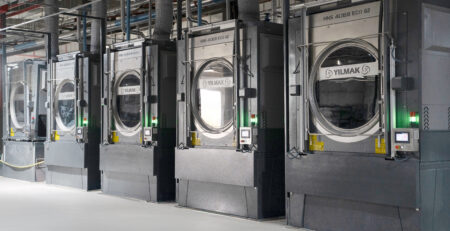
Denim washing creates the final color, texture, and visual identity of jeans.
Common processes include:
- Stone washing
- Enzyme washing
- Bleaching
- Laser finishing
- Special effects
Quality Control
Quality inspections throughout production help maintain consistent standards.
5. Can They Support Product Development and Design?
Modern fashion brands often need more than manufacturing capacity.
A valuable jeans manufacturer should be able to support:
- Collection development
- Technical guidance
- Fabric recommendations
- Sampling
- Fit improvements
- Trend adaptation
Manufacturers with product development expertise can help brands transform concepts into production-ready collections.
6. What Is Their Production Capacity?
Production capacity is a key consideration when selecting a jeans factory.
Brands should ask:
- What is the monthly production capacity?
- Can they handle seasonal demand?
- Can they scale production for growing collections?
- How do they manage large-volume orders?
A manufacturer with scalable capacity provides flexibility for both emerging brands and global retailers.
7. Where Is the Factory Located?
The factory location affects:
- Production costs
- Lead times
- Shipping efficiency
- Supply chain reliability
Egypt has become an increasingly important production hub for global apparel brands due to its strategic location between Europe, Asia, and international markets.
A jeans manufacturer in Egypt can provide advantages such as:
- Competitive production costs
- Shorter delivery times to Europe
- Experienced textile workforce
- Access to integrated manufacturing facilities
8. What Quality Control Standards Do They Follow?
Quality consistency is one of the biggest challenges in denim production.
Before working with a jeans manufacturer, brands should ask about:
- Quality inspection procedures
- Fabric testing
- Measurement controls
- Washing tests
- Production monitoring systems
A professional manufacturer should have clear quality management processes from raw materials to final shipment.
9. How Do They Manage Sustainability?
Sustainability has become a major factor in denim production.
Brands increasingly evaluate manufacturers based on:
- Water management
- Energy efficiency
- Waste reduction
- Responsible chemical usage
- Recycling processes
A modern denim factory should integrate sustainable practices into daily operations rather than treating sustainability as a separate initiative.
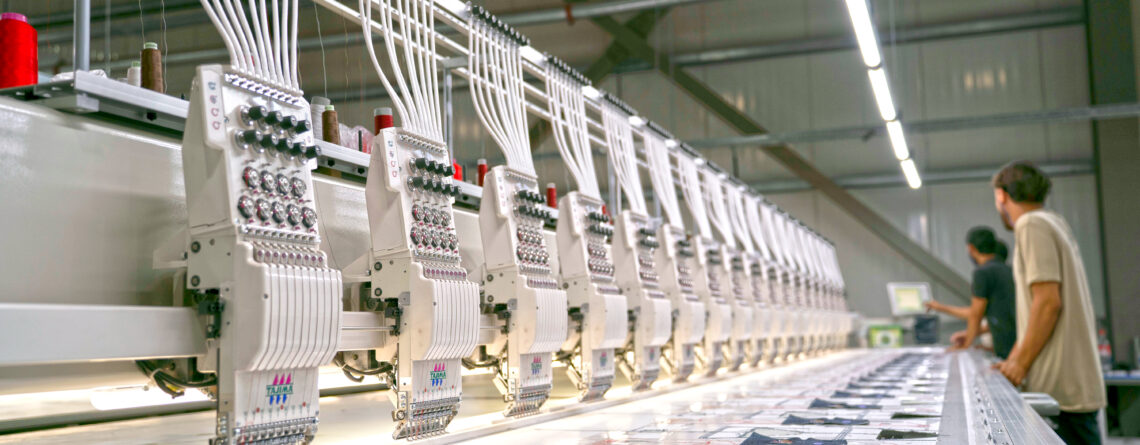
10. Do They Use Technology in Production?
Technology plays an important role in improving efficiency and quality.
Advanced denim manufacturers use digital tools for:
- Production tracking
- Quality monitoring
- Efficiency analysis
- Process optimization
Technology-supported manufacturing allows brands to achieve better transparency and more consistent production results.
11. Can They Handle Private Label Jeans Production?
Many fashion brands are looking for a private label jeans manufacturer that can produce collections under their own brand identity.
Before selecting a partner, brands should ask:
- Can they produce custom collections?
- Can they follow specific brand requirements?
- Can they manage exclusive designs?
- Can they support repeat seasonal orders?
A flexible manufacturing partner should adapt production processes according to each brand’s positioning.
12. How Do They Communicate During Production?
Clear communication is essential in international manufacturing.
Brands should evaluate:
- Response speed
- Production updates
- Technical communication
- Problem-solving approach
- Transparency during production
A reliable jeans manufacturer should operate as a long-term business partner rather than only a production supplier.
Why Choosing the Right Jeans Manufacturer Matters
Selecting a jeans manufacturer is not only about finding a factory with production capacity. The right partner helps brands improve:
- Product quality
- Production efficiency
- Supply chain reliability
- Collection development
- Market competitiveness
Especially in denim production, where fabric, washing, finishing, and craftsmanship directly affect the final product, working with an experienced manufacturer creates long-term value.
Eroğlu Garment: A Reliable Partner for Jeans Manufacturing
Eroğlu Garment provides integrated denim and apparel manufacturing solutions for global brands.
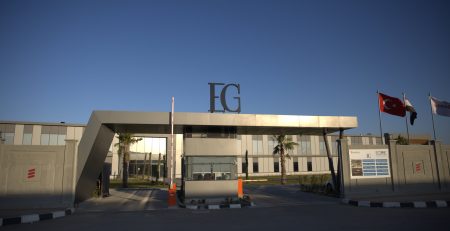
With its production facilities in Egypt and decades of textile experience from Eroğlu Global Holding, the company combines manufacturing expertise with modern technology, quality-focused processes, and sustainable production practices.
From product development and sampling to cutting, sewing, washing, finishing, and shipment, Eroğlu Garment supports brands throughout the complete jeans production process.
For brands looking for a reliable jeans manufacturer, choosing a partner with denim expertise, scalable production capacity, and integrated manufacturing capabilities is essential for building successful collections.
FAQ
What should I look for in a jeans manufacturer?
Brands should evaluate denim expertise, production capacity, quality standards, sustainability practices, technology usage, and communication processes before selecting a jeans manufacturer.
What is the difference between a jeans manufacturer and a denim supplier?
A denim supplier provides fabric, while a jeans manufacturer produces finished denim garments such as jeans, jackets, and other apparel products.
Why is denim manufacturing more complex than regular garment production?
Denim production requires specialized knowledge in fabric behavior, washing techniques, finishing processes, and quality control.
Is Egypt a good location for jeans manufacturing?
Egypt has become an important apparel manufacturing hub due to its strategic location, competitive production advantages, and proximity to European markets.